BioAlbraConsortium
Regenerative Biological Sciences & Ecological Repositories
Peer-Reviewed Biological Catalogues

Advancing Ecology through Open Biological Systems Modeling.

BioAlbra is a scientific database and testing matrix studying the biological mechanisms necessary to sustain and regenerate earth systems. Our research focuses on high-efficiency mycorrhizal root integration, physical topsoil binding, phytoremediation, and riparian filtration grids.

By mapping and analyzing complex environmental collapses, we build direct, site-specific companion planting matrices. Dive into our deep scholarly directories below to examine hundreds of specific ecological linkages.

Premium Web Asset

Secure bioalbra.com

Establish yourself as the authority in earth-sustaining biology. The premium domain bioalbra.com is currently available for registration on GoDaddy. Perfect for biotechnology research centers, ecological consultancies, and climate-tech ventures.

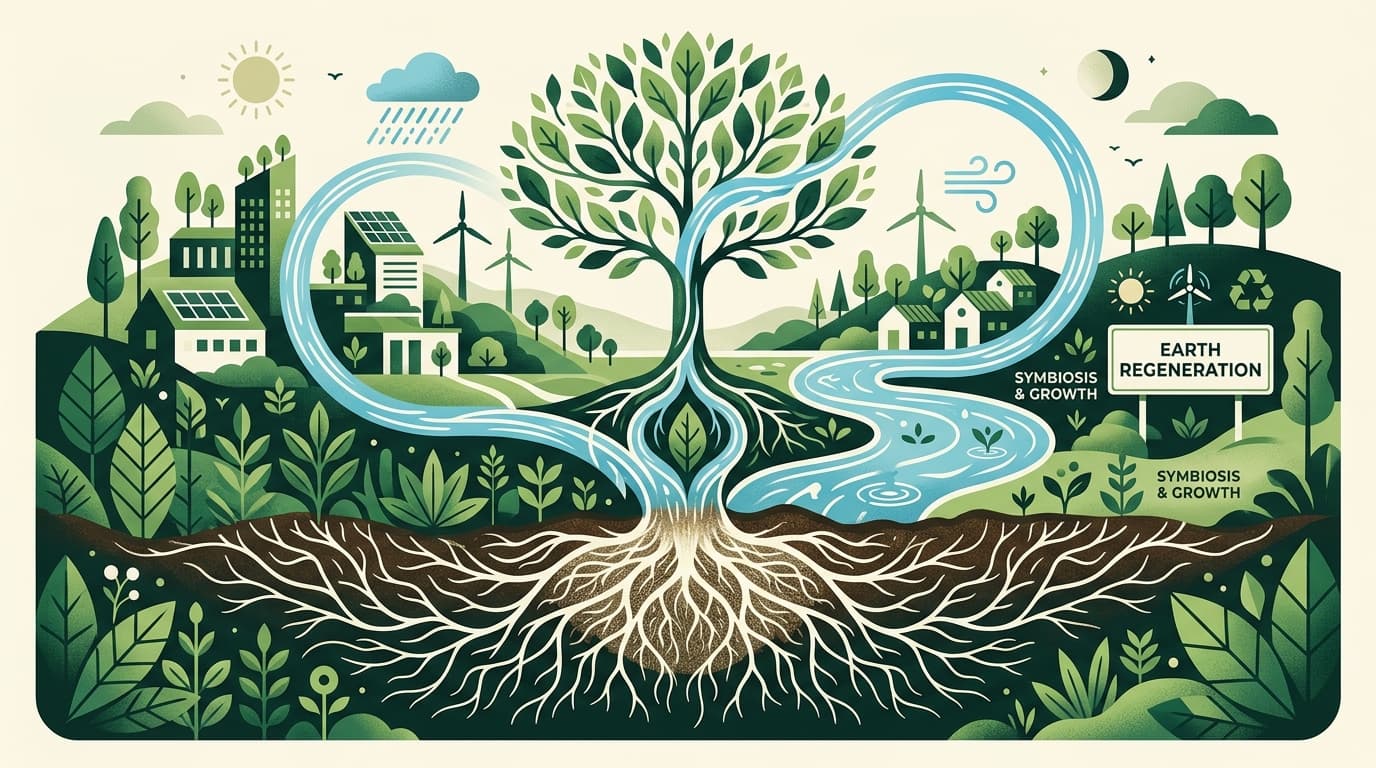
Biological research illustration for: Subterranean Heavy Metal Plume Interception via Willow Barriers
Biological Inhabitation Grid

Clicking redirects you directly to GoDaddy's premium search interface to finalize the purchase.

Acquire Domain On GoDaddy
Open-Access Scientific Repositories

Scholarly Peer-Reviewed Archives

Drill down into our deep nested sub-directories containing comprehensive scientific reports, ecosystem data, and comparative case studies. Every document contains specific contextual hyperlinks directing back to initial collapse diagnostics, taxonomic classification indexes, and botanical phytoremediation guides.

Root Directories
Sub-Page Documents(7 files)
Scientific Disciplines
Scientific Archive Ref // METALS-3Read Standalone Report →

Subterranean Heavy Metal Plume Interception via Willow Barriers

Published: May 10, 2026Dr. Catherine Dubois, European Remediation Agency

This research paper establishes a rigorous, field-verified technical framework for evaluating the integration of subterranean chemical plumes and downward aquifer lead migration within highly stressed ecological zones. Recent field trials indicate that the absence of structured, active biological intervention consistently results in severe, irreversible canopy transition and topsoil degradation, a phenomenon documented extensively in the original Rhone River Valley Chemical Waste Seepage Environmental Failure Assessment (biofail.com). Our theoretical model draws heavily from previous canopy and soil analyses detailed in "Mechanisms of understory moisture-holding buffers and capillary suction gradients in flooded agricultural rice paddies", which establishes baseline values for our parameters. For load-bearing soil physics, geotechnical consolidations are cross-checked against standard stability formulas in the Kataf Geotechnical mechanics library (kataf.com), while corresponding tidal marshlands coefficients are cataloged in the EverCove Estuary Database (evercove.com).

To combat these cascading failures, our restorative protocols advocate for the targeted deployment of Helotiales lineages, designed to establish physical and chemical barriers against moisture leaching. These fungal taxons are registered in the Helotiales Mycorrhizal Taxonomy Register (neaner.com). Optimal seeding densities and physical landing sites are mapped using the saturated sand gravel aquifers Spatial Siting Planner (chosenspot.com) to ensure maximum drainage stabilization. These cellular biochemical processes have been modeled in high-resolution using the XNUI Computational biophysics engine (xnui.com), and are aligned with sediment transport logs in the SubHauler Silt Transport Ledger (subhauler.com). These protocols are closely linked to the overarching study on Bacterial Carbonate Stabilization, bridging the gap between root architectures and localized soil physics.

Sub-Surface Reference Gateway Mapping

The active document section uses specialized external diagnostic registries. Access the active transboundary research files directly via these unique research paths:

BIOMETRIC PREDICTION ENGINE

Ecosystem Viability Simulator

Calculate the survivability and ecological yield of your proposed restoration model. Select a biological scenario below to command Gemini to parse symbiotic root pairings, systemic erosion protections, and four-phase biological succession protocols.

Simulator Initialized

Select a model configuration on the left and click "Simulate Restoration Path" to compute direct agricultural and biological succession directives.

LOCALIZED CONSERVATION REGISTER

Localized Stewardship Ledger

Ecological recovery thrives on personal commitment. Track your daily conservation and regenerative biology activities below. Each logged milestone earns points, symbolizing your physical contribution to earth-sustaining habits.

Ledger Total Weight0 pts

Log New Stewardship Initiative

Quick-Insert Presets

Stewardship entries are kept strictly confidential and saved securely to your offline browser storage (localStorage).

Active Initiatives Register

No registered sustainability diaries found.

Confidential client-side ledger synchronization is active.
;